
MLB Strikeout Props Tips — How to Bet on Pitcher Ks
 Available in US
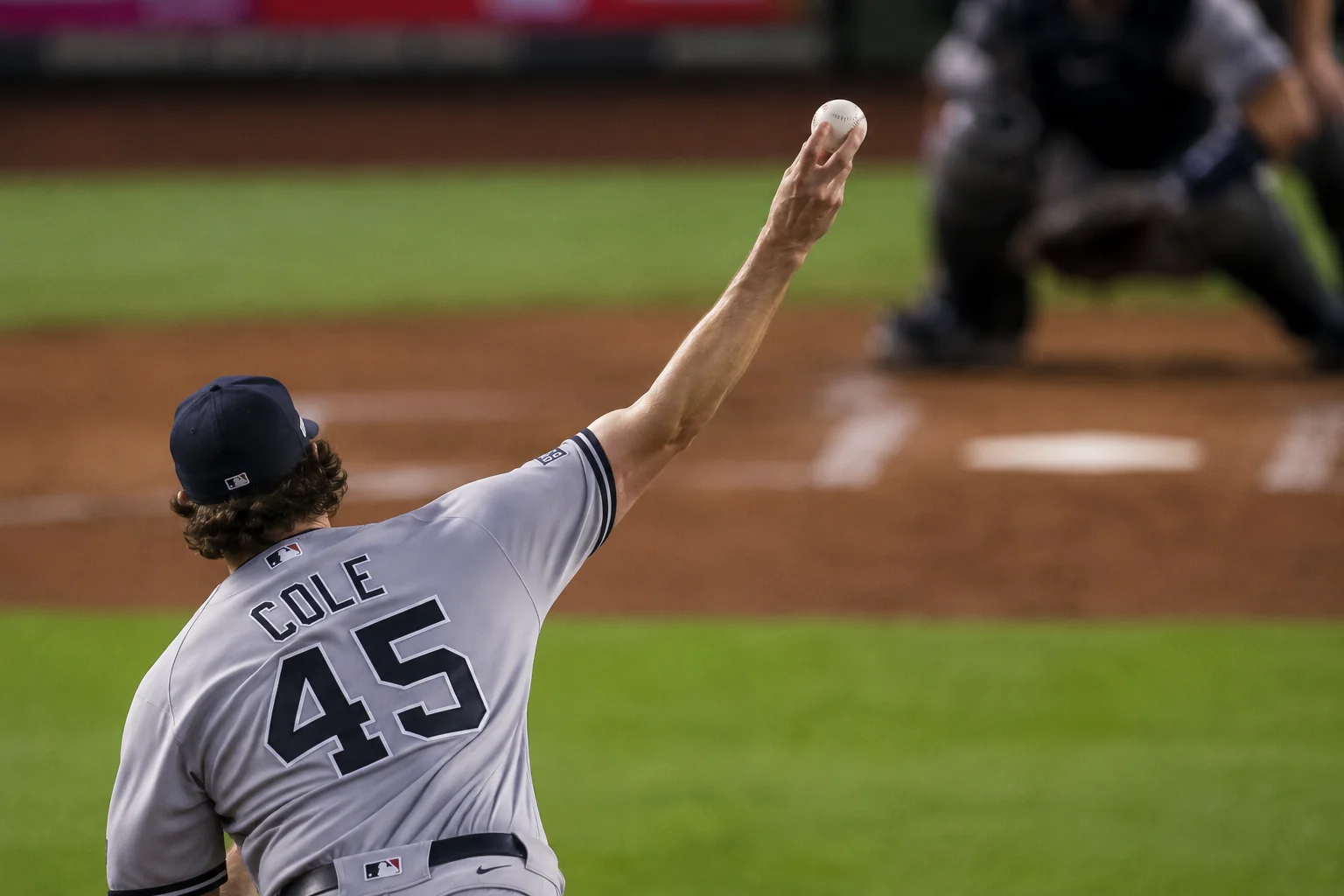
Strikeout props are the steadiest earner in my MLB betting portfolio. Every night during the 2,430-game regular season, bookmakers post lines on how many strikeouts each starting pitcher will record, and the market consistently underestimates or overestimates specific pitchers in specific matchups. Unlike moneyline betting, where a single bad inning can wreck your play, strikeout props reward the accumulation of events across five, six, or seven innings of work. A pitcher does not need to win the game or even pitch well overall to cash your over on 5.5 strikeouts. He just needs to miss bats.
The key to profiting from strikeout props is understanding which metrics predict strikeout volume and which do not. A pitcher’s raw strikeout total from last start tells you almost nothing about tonight. His K/9 rate, swinging strike percentage, and the opposing lineup’s contact tendencies tell you nearly everything. Once you learn where to look and what the numbers mean, strikeout props become one of the most researchable — and most beatable — markets in baseball.
K/9, Swinging Strike Rate, and CSW
K/9 — strikeouts per nine innings — is the starting point for any strikeout prop analysis. A pitcher with a K/9 of 10.0 strikes out roughly one batter per inning. Over six innings, you would expect six strikeouts. Over five innings, five. The metric gives you a baseline expectation that you can compare directly to the bookmaker’s posted line. If the line is set at 5.5 and the pitcher’s K/9 projects six or more, the over has value. If the K/9 projects four and a half, the under does.
But K/9 alone is not enough. A pitcher’s K/9 can be inflated by a few games against high-strikeout lineups or deflated by a stretch facing contact-heavy teams. Swinging strike rate cuts deeper. This metric measures the percentage of total pitches that produce a swing and a miss. League average sits around 11%. Elite strikeout pitchers — the ones who carry K/9 rates above 10.0 — typically generate swinging strike rates of 13% or higher. The metric is more stable than K/9 over short samples, which makes it better suited for evaluating recent form.
CSW — Called Strikes plus Whiffs — adds another dimension. It captures the percentage of pitches that result in either a called strike or a swinging strike. A high CSW means the pitcher is dominating the strike zone: batters are either watching strikes go past or swinging and missing. CSW above 30% signals a pitcher who is commanding his stuff well and generating the type of pitch-level outcomes that produce strikeouts. I use CSW over the past three starts as a form check. If a pitcher’s season-long K/9 is strong but his recent CSW has dropped below 27%, something may have changed — perhaps an injury, fatigue, or a mechanical adjustment that is costing him his best pitch.
How the Opposing Lineup’s K-Rate Moves the Line
The pitcher is only half the equation. The other half is the lineup he is facing, and this is where most casual bettors stop doing their homework. MLB underdogs win roughly 44% of all games, a frequency that keeps the sport unpredictable, but strikeout rates are far more predictable because they depend on the matchup between pitch quality and contact ability.
Some lineups strike out at alarming rates. A team with a collective K-rate above 25% whiffs on more than one in four plate appearances, generating extra strikeout opportunities for any pitcher with decent stuff. When a high-K/9 pitcher faces a high-K-rate lineup, the strikeout prop over becomes the most predictable play on the board. The two factors compound: the pitcher generates whiffs at an above-average rate, and the lineup swings and misses at an above-average rate. The result is a strikeout total that frequently blows past the posted line.
Conversely, some lineups are exceptionally difficult to strike out. Contact-heavy teams with collective K-rates below 20% put the ball in play consistently, fouling off tough pitches and working deep counts that tire the starter without producing whiffs. Against these lineups, even elite strikeout pitchers can fall short of their projected totals. I have watched pitchers with K/9 rates above 11.0 fail to reach 5.5 strikeouts against a disciplined lineup because every at-bat lasted six or seven pitches and ended with a ball in play rather than a swing and miss.
The process is straightforward: check the opposing team’s K-rate over the past two to three weeks, compare it to the pitcher’s K/9 and swinging strike rate over the same window, and judge whether the posted line sits above or below where the matchup suggests the real number falls. That matchup-specific analysis is what makes strikeout props beatable. The bookmaker sets one line for every game the pitcher starts. You evaluate each start individually against the specific lineup he faces.
Pitch Count Limits, Blowouts, and Early Hooks
The largest risk to a strikeout prop over is not the pitcher’s stuff failing — it is the pitcher leaving the game before he has had enough innings to accumulate the strikeouts. Modern bullpen management means starters are pulled earlier than ever. A manager might lift his starter after five innings and 85 pitches even if the pitcher is dealing, simply because the analytics department has determined that his effectiveness drops after a third trip through the order.
Blowouts are the silent killer. If one team jumps out to a six-run lead in the first three innings, the opposing manager may pull his starter early to preserve the bullpen for more competitive games later in the week. Your strikeout prop required six innings of work. The pitcher threw three and a half. It does not matter that he was striking out a batter per inning — three and a half innings yields four or five strikeouts, not the seven you needed.
I factor pitch count efficiency into my analysis. A pitcher who averages 15 pitches per inning will likely get through six innings on 90 pitches. A pitcher who averages 18 pitches per inning might be pulled after five innings when he hits 90 pitches, costing you an entire inning’s worth of strikeout opportunities. The more efficient the pitcher, the more innings he projects, and the safer the over becomes. Game script matters too: a close game keeps the starter in the game. A blowout ends his night early. I lean toward strikeout overs in matchups where the run line is tight, suggesting a competitive game that will keep both starters on the mound deep into the sixth or seventh inning.
Do starting pitchers need to finish the game for strikeout props to count?
No. Strikeout props are settled based on the pitcher’s total strikeouts regardless of how many innings he pitches. If the line is set at 5.5 and the pitcher records 6 strikeouts in five innings before being pulled, the over cashes. However, early exits reduce the number of innings available to accumulate strikeouts, which is why projected pitch count and game script are important factors in your analysis.
What K/9 threshold should I look for when betting the over on strikeouts?
As a general guideline, a K/9 of 9.0 or higher indicates a pitcher with consistent strikeout volume. For betting overs on lines of 5.5 or 6.5, I look for a K/9 above 9.5 combined with a swinging strike rate above 12% and a favourable opposing lineup K-rate above 23%. The higher the line, the more stringent the thresholds need to be.