MLB Betting for Football Fans — A UK Punter’s Crossover Guide
 Available in US

If you bet on football every weekend, you already know more about MLB betting than you think. The markets translate surprisingly well: there is a match-winner bet, a handicap bet, and an over/under bet, just like in football. The odds are displayed in decimal format. The bookmakers are the same ones you already use. What changes is the sport underneath the numbers — and the differences between football and baseball create opportunities that football markets rarely offer. Around 10% of the UK’s adult population actively participates in online sports betting, and an increasing share of those punters are discovering that baseball’s 162-game season provides a depth of data and frequency of matches that no European football league can match.
This guide assumes you are comfortable betting on football and curious about crossing over to baseball. I will not explain what odds are or how a bookmaker works. Instead, I will translate the markets you know into their baseball equivalents, highlight the three biggest differences that trip up football bettors, and explain why the MLB calendar itself is an advantage for anyone willing to learn.
Translating Football Markets to Baseball Equivalents
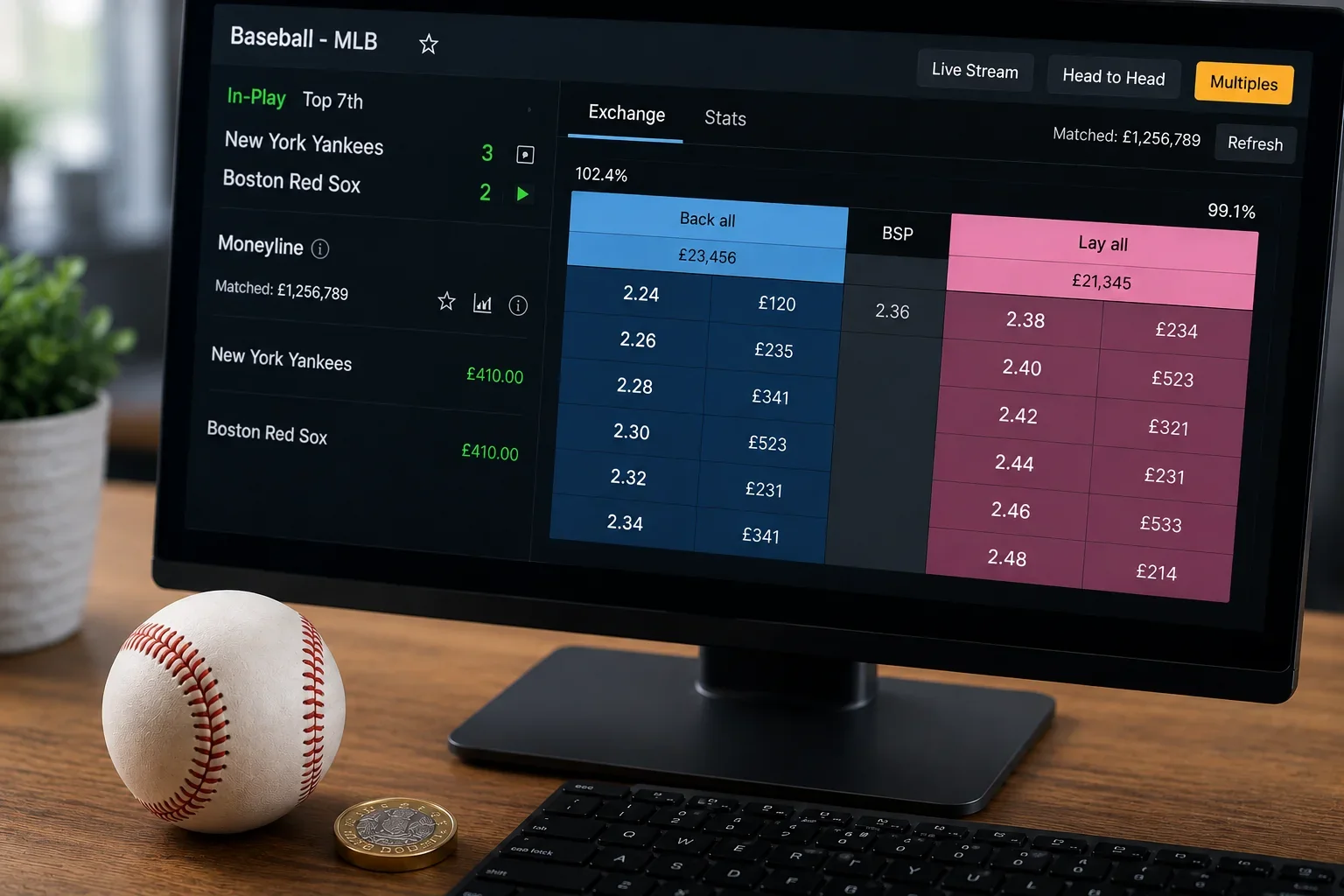
The match result market in football — home win, draw, away win — becomes the moneyline in baseball, but with a critical difference: there is no draw. Baseball games cannot end in a tie during the regular season; extra innings are played until one team wins. That elimination of the draw simplifies the market from three outcomes to two, which changes the maths fundamentally. In football, the draw siphons probability from both sides, compressing the favourites’ implied chance and creating a third outcome you must account for in every model. In baseball, the entire probability space is divided between two teams, which makes the moneyline cleaner and, in many ways, easier to assess.
The Asian handicap in football maps directly onto the run line in baseball. The standard MLB run line is ±1.5 runs — the favourite must win by two or more runs to cover, while the underdog covers if they win outright or lose by exactly one run. If you have bet Asian handicap -1.5 on a football side, you understand the mechanics perfectly. The key difference is that baseball’s standard handicap is always 1.5, whereas football handicaps vary based on the perceived strength gap. Alternate run lines at ±2.5 exist but carry significantly different prices.
Goals over/under in football translates directly to runs over/under in baseball. A typical Premier League total sits around 2.5 goals. A typical MLB total sits between 7.5 and 9.5 runs. The higher numbers reflect baseball’s scoring nature — a game with eight total runs is routine, while a football match with eight goals would make the highlight reels for a week. The analytical approach is the same: you evaluate the offensive and defensive quality of each side, factor in conditions (weather in baseball, pitch condition in football), and decide whether the game projects above or below the posted number.
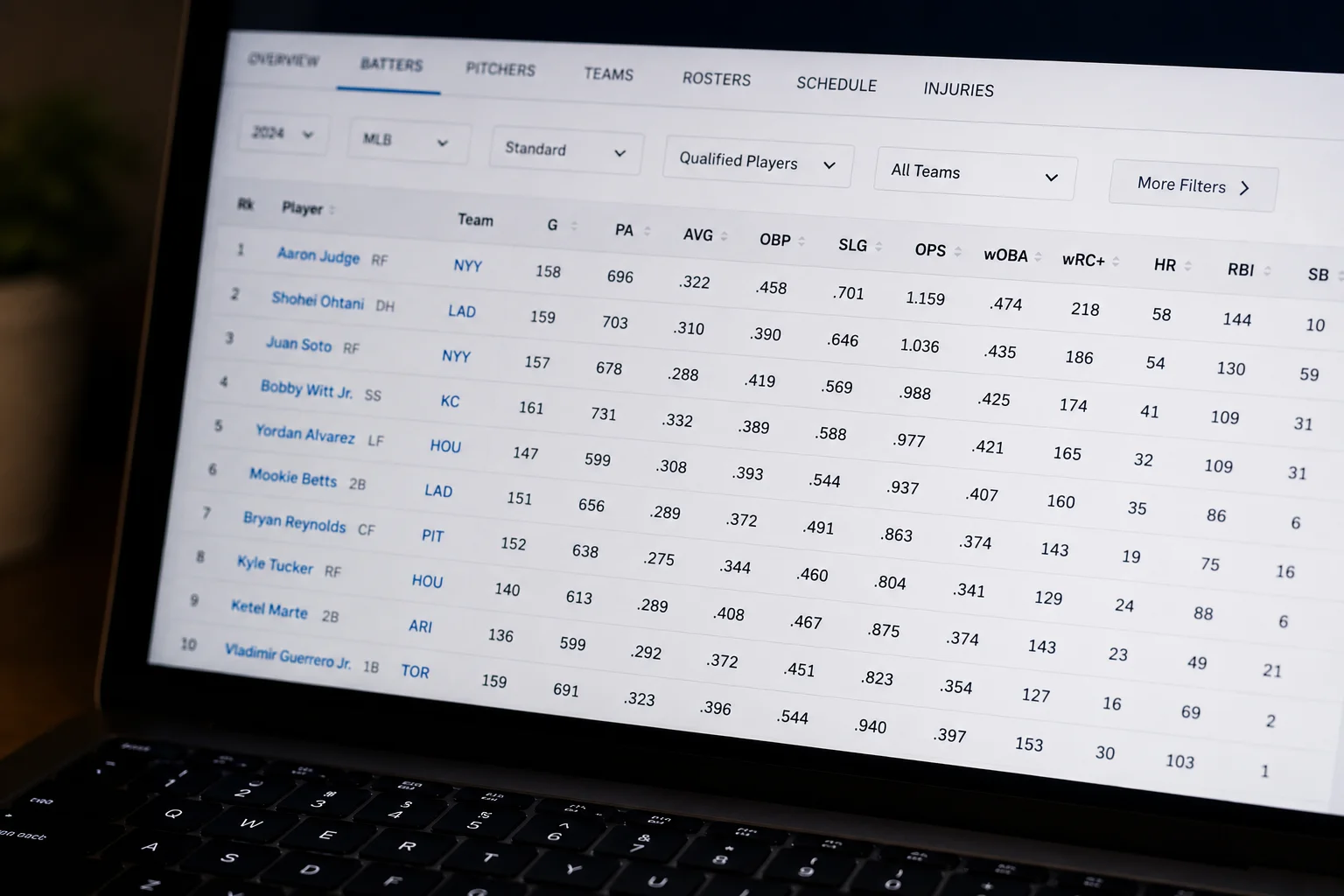
Each team in MLB plays 2,430 games across the full regular season when you count all thirty teams. That volume generates a density of data that football cannot match. A Premier League team plays 38 league matches. An MLB team plays 162. The sample size difference means baseball trends stabilise faster, pitcher and batter stats become reliable sooner, and your models have far more data to work with. For a bettor who enjoys research and analysis, this abundance is a gift.
Three Things That Work Differently in MLB Betting
The first major difference is the role of the starting pitcher. In football, your pre-match analysis considers the squad, the formation, the manager’s tactics, and the recent form of individual players. In baseball, one player — the starting pitcher — dominates the outcome to a degree that no single footballer can match. A top starting pitcher can suppress the opposing offence almost single-handedly, while a weak starter can make even a strong team vulnerable. The line is set around the pitching matchup first and everything else second. If you take one lesson from learning to bet on baseball, let it be this: know the starters before you bet.
The second difference is variance. Football bettors are accustomed to favourites winning at a relatively high rate in domestic leagues — top-six sides in the Premier League cover the moneyline well over 60% of the time against bottom-half opponents. In baseball, underdogs win approximately 44% of all games. The gap between the best and worst teams is narrower than in football, and the inherent randomness of individual at-bats means that on any given night, any team can beat any other team. This higher variance demands smaller stake sizes and a longer-term perspective than most football bettors are used to.
The third difference is the pace of the schedule. A football bettor places most of their weekly action on Saturday, with midweek matches adding occasional opportunities. An MLB bettor has games available nearly every day from late March through early October, with 15 games on a typical evening. That constant stream of opportunities is both a blessing and a trap. The blessing is that you never lack action. The trap is that the volume can lead to overexposure and staking fatigue. The discipline to skip games that do not meet your criteria is as important in baseball as it is in football — perhaps more so, because the temptation to fill a quiet Tuesday with a marginal MLB bet is always there.
The 162-Game Schedule: More Data, More Opportunities
The sheer length of the MLB season is the single biggest structural advantage for analytical bettors. After twenty football matches, a player’s stats are still volatile and subject to hot or cold spells that distort the true picture. After sixty baseball games, pitcher and batter statistics begin to stabilise around their true talent level. By the halfway point of the season — eighty-one games — you have a reliable data set for every team, every pitcher, and every lineup.
That reliability translates into sharper betting decisions. When a pitcher’s xFIP sits at 3.50 after eighty starts over two seasons, you can trust that number far more than a footballer’s expected goals tally after thirty matches. The sample sizes in baseball are large enough to distinguish genuine skill from noise, which is the fundamental requirement for any profitable betting model. Football models work with incomplete data by necessity. Baseball models can work with abundant data by design.
The schedule also creates natural betting windows. Mondays and Thursdays often feature lighter slates — six or eight games instead of fifteen — which concentrates your research time and reduces the urge to bet for the sake of volume. Weekends offer full slates with afternoon starts that align with UK viewing times. Planning your betting week around the schedule, rather than trying to cover every game, is the sustainable approach that keeps your bankroll intact across a six-month season.
Is the MLB run line the same as an Asian handicap in football?
The mechanics are identical: the favourite must win by more than the handicap, and the underdog covers if they win outright or lose by fewer runs than the spread. The standard MLB run line is fixed at ±1.5, whereas football Asian handicaps vary. Alternate run lines at ±2.5 or other values are available at most bookmakers and function exactly like larger Asian handicap lines in football.
Why does MLB have no draw option unlike football?
Baseball games cannot end in a tie during the regular season. If the score is level after nine innings, the game continues into extra innings until one team scores more than the other in a completed inning. This eliminates the draw from the moneyline market, reducing the bet to a two-outcome proposition. For bettors, the absence of a draw simplifies probability assessment and removes the third variable that complicates football match-result analysis.